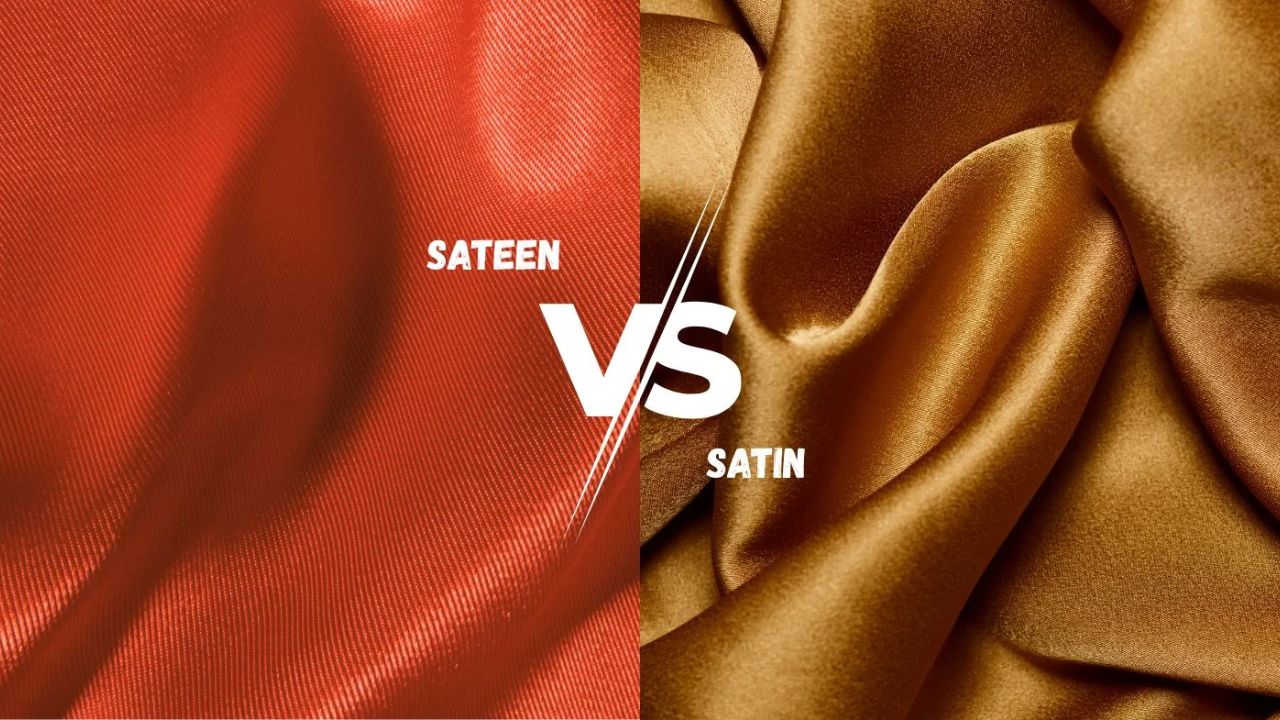
In the fashion sector, the material employed can tell the quality, comfort, and beauty of the clothing. The sateen vs satin are among the numerous materials that can be suggested to the designer and brands, yet they need to be taken into account. Although satin and sateen have some similarities, such as a smooth surface and luxurious feel, their differences are very notable between them, as well as their application, durability, and perception by the consumer.
Understanding Satin Fabric
Satin is a material that is flowing in appearance and glossy. Satin is made of synthetics, e.g., polyester or nylon (still, it is traditionally produced from silk). The weaving technique is used to achieve a special shininess, as the number of interlacing points is minimized, and the yarn is more evident on the front. In this case, a mirror-like reflection is formed on the light, and it is the one that endows satin with the luxurious appearance it has. In the fashion brand case, the satin is more about elegance and sophistication, and may be worn as eveningwear, gowns, and lingerie of high quality. The dynamic motion of the cloth gives a certain enhancement to the figure, allowing the designers to create clothes with dynamism and changeability.
Key Characteristics of Satin
Satin is even more appealing in appearance as well as in its touch. It is chilly and smooth to touch, and this may enhance the experience of the wearing garment. The makeup of the satin is dependent on the type of fibers; a satin cloth that is composed of silk is light and shiny, and a satin cloth that is composed of polyester is powerful and inexpensive. Nevertheless, the most vulnerable material among all others is the satin, and it should be taken care of. The shininess of the cloth might require a skilled hand wash or dry cleaning. These are among the factors that need to be considered by fashion houses that decide to incorporate satin in their line, particularly when such houses have plans to sell the garments regularly or in bulk to the mass market.
Understanding Sateen Fabric
Sateen, in its turn, is predominantly a cotton-based clothing interlaced in a satin-like pattern. It is a less reflective finish, though, as smooth and a bit shiny as satin. Sateen is very cozy and powerful; hence, it is especially used in loungewear, pajamas, and casual wear. Satin can be breathable, warm, and non-salty to the skin, whereas sateen can be much easier to experience in daily life, and the touch is far more comfortable. The cotton bottom can also be easily tended, and most of the sateen materials can be washed in the machine, which is an added convenience to fashion brands that attract fashionable wearers.
Key Characteristics of Sateen
In the 4-over-1 under weave, the hand on the fabric will be smooth, and the structure will be preserved without compromising the material. The fabric is loose but still remains in shape, hence making it easily adaptable in designs that need to have both comfort and aesthetic value. The fact that it is durable and easy to care for gives it a particular appeal to the brands that manufacture clothes in greater quantities or that people wear regularly. Sateen also promotes pro-environmental brand stories, where cotton can be renewed and usually goes in line with sustainable fashion movements. To the designers, this is an opportunity to combine the luxury and functionality without losing sight of style.
Comparing Sateen and Satin for Fashion Applications
Satin or sateen also largely depends on the purpose of the garment, target market, and positioning of the brand. Satin is best used in visual effects and luxury, therefore it can be used in evening wear, wedding wear, and special collections where visual is the key factor. Sateen with a softer finish and more practical will be suitable for daily wear, sleepwear, and loungewear.
Conclusion
Satin and sateen need to be separated in case of fashion brands, so that the clothing produced will be applicable to the target customer. Satin is also glowing and splendidly flowing, and is applicable to luxurious, iconic products. Sateen is relaxed, sustainable, and practical, and it is in line with trends of comfort, everyday, and eco-fashion. Being aware of the most significant variations in fiber, weave, finish, and maintenance, designers and brand managers will be able to make reasonable selections in terms of fabrics, which will increase the aesthetic value of the collections and enhance their functionality. And, last but not least, it is not aesthetics, but a plan, which will contribute to the overall brand experience, please the consumers, and win the competition in the fashion market in the long term.