The first time I heard about toothpaste tablets, my reaction was skepticism. It sounded like one of those products that exists primarily to seem interesting — a solution to a problem nobody actually has. Toothpaste works fine. Why turn it into a chewable?
That was about two years ago. I’ve been using tablets since then and I haven’t bought a tube since. The reasons aren’t ideological. They’re practical, and they stacked up faster than I expected.
The Travel Problem
It started with a trip. I was flying carry-on only, which meant the usual 100ml liquid limit, which meant either buying a travel-sized tube at the airport for three times the normal price or squeezing toothpaste into a tiny container and hoping it survived. Neither option is good. The small tubes run out faster than you expect. The DIY container approach requires remembering to do it before every trip.
Tablets solve this completely. They’re solid, so they’re not subject to liquid restrictions. You put however many you need in a small tin or bag — twenty tabs for two weeks — and you’re done. They weigh almost nothing. They take up no appreciable space. No leaking, no squeezing, no airport pharmacy detour. That was the initial appeal, and it was enough to get me to try them.
What Actually Happens When You Use One
The mechanics are simple: you put the tablet in your mouth, chew it for a few seconds until it becomes a paste, then brush normally. It takes maybe three seconds longer than starting with toothpaste. The cleaning feels the same. The foam is lighter than conventional toothpaste, which some people notice and some don’t; I stopped noticing it after about a week.
The flavoring varies by brand and formula. Some tablets lean heavily mint, some are subtler. I’ve tried a few that were distinctly bad — too much of an artificial sweetener taste — and several that were genuinely good. This part is just trial and error, the same as finding a toothpaste you like.
The Tube Problem
Once I started using tablets regularly, I noticed something I hadn’t thought much about before: toothpaste tubes are genuinely annoying to deal with at the end of their life. You can’t get the last bit out easily. They’re not recyclable in most curbside programs because of the mixed materials. They end up in the trash.
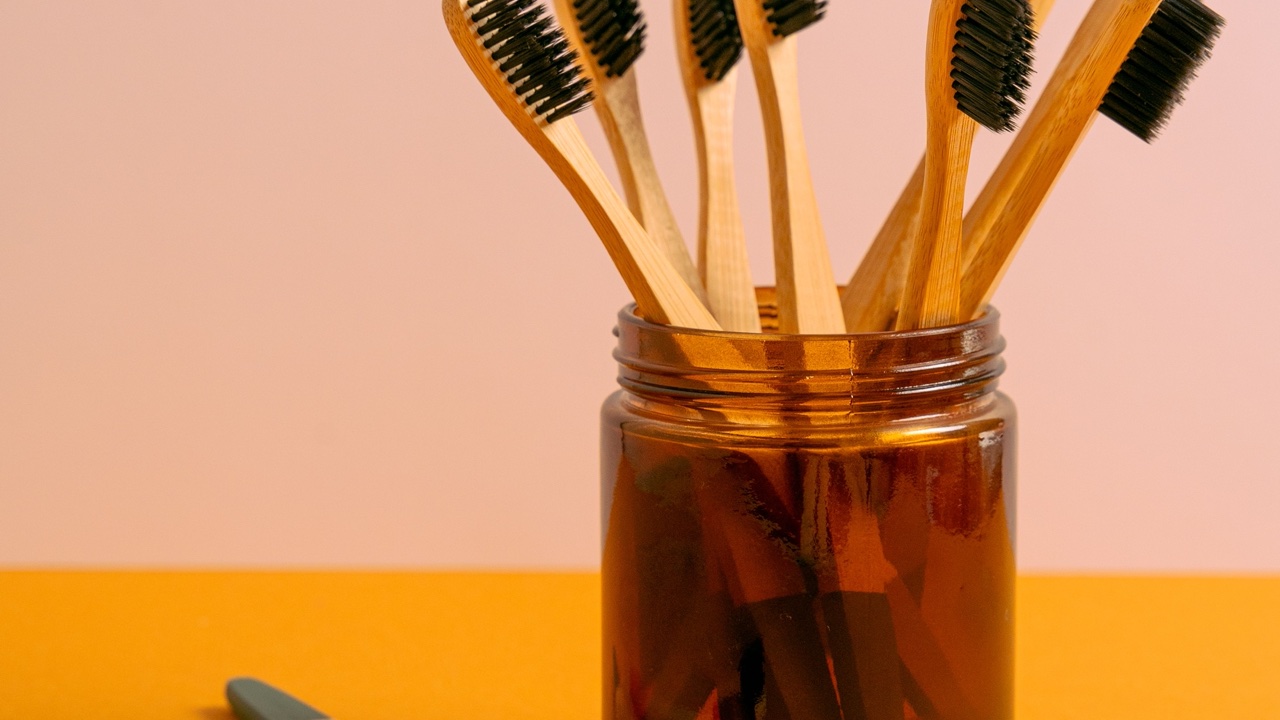
Over a year, a single person goes through somewhere between twelve and twenty tubes. Over a lifetime, that adds up to a lot of plastic for something that could be packaged differently. Tablets typically come in glass jars, aluminum tins, or compostable cardboard — packaging that’s genuinely recyclable or biodegradable, not just labeled as sustainable.
I’m not someone who makes every purchase decision based on environmental impact. But when the alternative works just as well and the packaging is meaningfully better, it’s not a hard call.
The Ingredient Question
This is where I did more research than I expected to. The market for toothpaste tablets is still relatively new, which means the quality range is wide. Some products are well-formulated with ingredients like nano-hydroxyapatite (a remineralizing compound that replaces damaged tooth mineral), fluoride in appropriate concentrations, or activated charcoal for surface stain removal. Others are made with minimal active ingredients and are essentially just flavored chewing tablets.
Reading labels on dental products requires some patience. The active ingredient that matters most for cavity prevention is either fluoride or hydroxyapatite — both have solid evidence behind them. Products that list neither and claim to be “all natural” are often just skipping the part of the formula that actually protects teeth. I mention this because some of the early criticisms of toothpaste tablets as a category were actually criticisms of poorly formulated products, not of the format itself.
The format is fine. The formulation is what varies, and it’s worth checking. For eco-friendly toothpaste tablets that are also effective, the active ingredient list is the first thing to look at.
The Bathroom Counter
This is a minor point but I’ll make it anyway: tablets change what your bathroom counter looks like. Instead of a tube in various states of rolled-up-from-the-bottom, you have a small jar or tin. It takes up less space, it doesn’t get toothpaste on the counter, and it doesn’t have that specific kind of slow-motion messiness that happens to tubes after a few weeks of daily use.
I realize this is not a compelling argument on its own. But desk and bathroom aesthetics are real, and the tablet format is genuinely tidier in daily practice.
What the Switch Actually Requires
The main adjustment is remembering to chew before brushing, which takes about a week to become automatic. There’s a brief period where you reach for a tube and don’t have one. After that it stops requiring thought.
The other adjustment is finding a product you like — which may take a few tries. The format is consistent; the flavor and texture vary enough between brands that it’s worth sampling before buying in bulk.
Beyond that, the switch is smaller than it sounds. You’re brushing the same way, for the same duration, with the same brush. One ingredient in the routine is in a different form. The outcome is the same: clean teeth, no wasted tube.